

4 min read
How to read tarot for yourself (without just seeing what you want)
On this page
Yes, you can read tarot for yourself, and most readers learn that way. The hard part isn't the cards. It's you: when the question is about your own life, it's easy to read the meaning you were hoping for. A self-reading works when you set it up so you can't fool yourself, and this guide shows how.
Why is reading for yourself harder?
Because you already have an answer in mind. If you ask about a relationship you want to keep, a gentle card looks like a promise and a hard card looks like a mistake. Readers call this reading with your wishes, and everyone does it at first.
You also know too much. With a stranger, the cards are the only information in the room. With yourself, every card has to compete with your memories, your fears and the conversation you had yesterday.
None of this means self-readings don't work. It means they need a little structure.
How do you ask a question you can't fool?
Ask about what you can see or do, not about what someone else will decide.
- Instead of "Will they come back?", ask "What do I need to understand about why this ended?"
- Instead of "Will I get the job?", ask "What should I focus on before the interview?"
- Instead of "Is this the right choice?", ask "What am I not seeing about this choice?"
Open questions give the cards room to say something you didn't expect. Yes-or-no questions about your own hopes give your wishes room instead.
Write the question down before you shuffle. If it changes while you read, you'll notice.
How do you lay out and read the cards?
- Shuffle until it feels done. There's no right number of shuffles. Cut the deck once, if you like.
- Choose a spread before you draw. One card for a daily check-in, three cards for a situation, ten for the full picture. Deciding first stops you drawing "just one more" until you like the answer.
- Lay the cards face down, then turn them one at a time. Look at each card for a moment before you think about its meaning: what's in the picture, what catches your eye.
- Read the position, then the card. A card means something different in "what's blocking you" than in "where this is heading". The position is half the meaning.
- Read the cards together. Look for cards that repeat a theme, a suit that keeps coming up, or a card that seems to answer another.
The Celtic Cross guide explains all ten positions if you want to go further than three cards.
How do you stay honest with yourself?
A few habits help more than any card meaning:
- Say the hard reading out loud first. If a card could mean something you don't want to hear, say that version before the comforting one.
- Don't redraw. The first spread is the reading. Drawing again because you didn't like it teaches you nothing.
- Write it down. Note the question, the cards and your first impression. Read it again in a week. You'll learn more from that than from any book.
- Notice the cards that annoy you. The card you want to skip past is often the one with something to say.
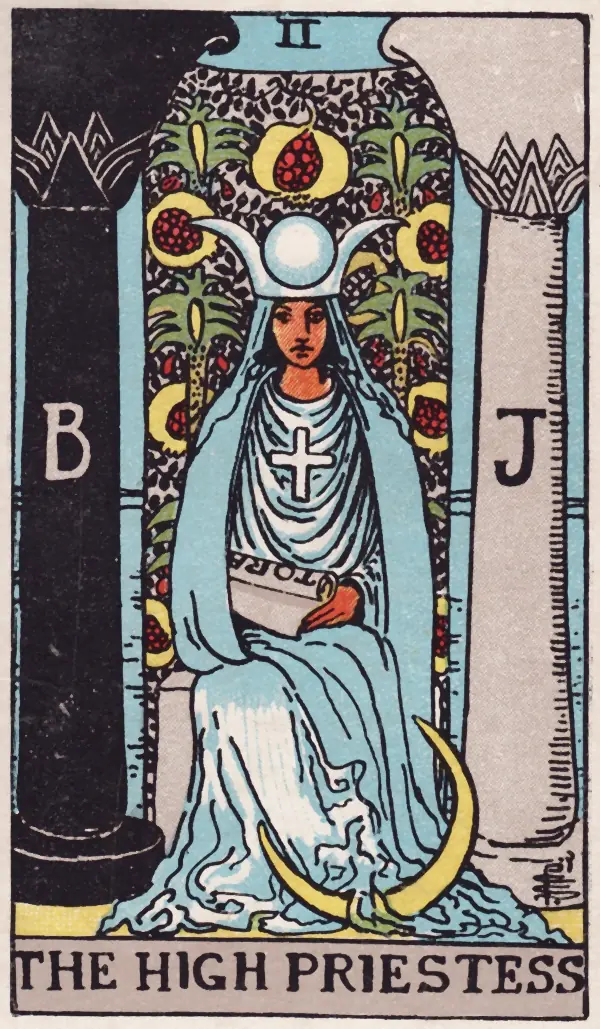
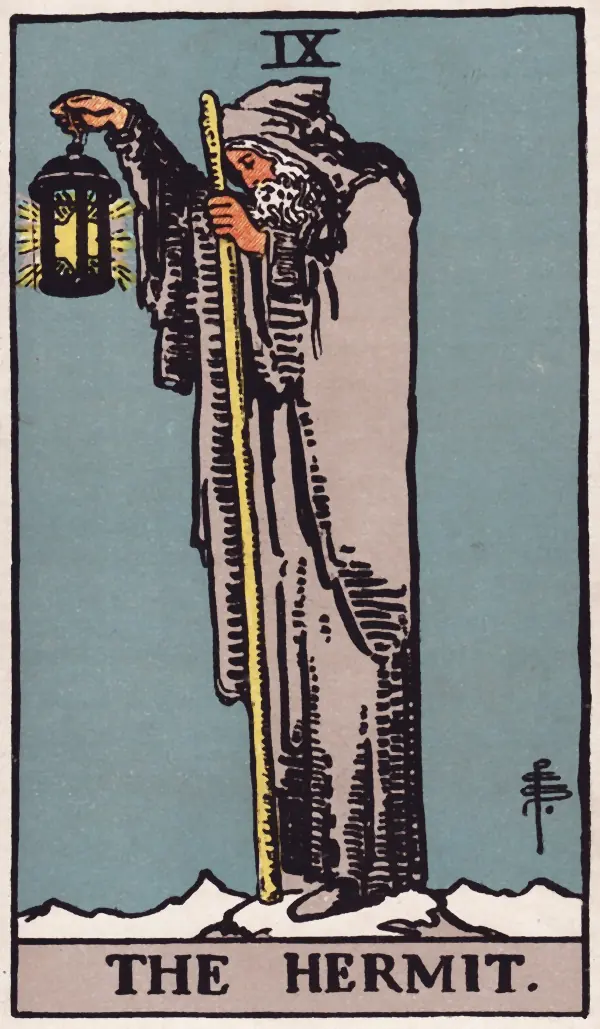
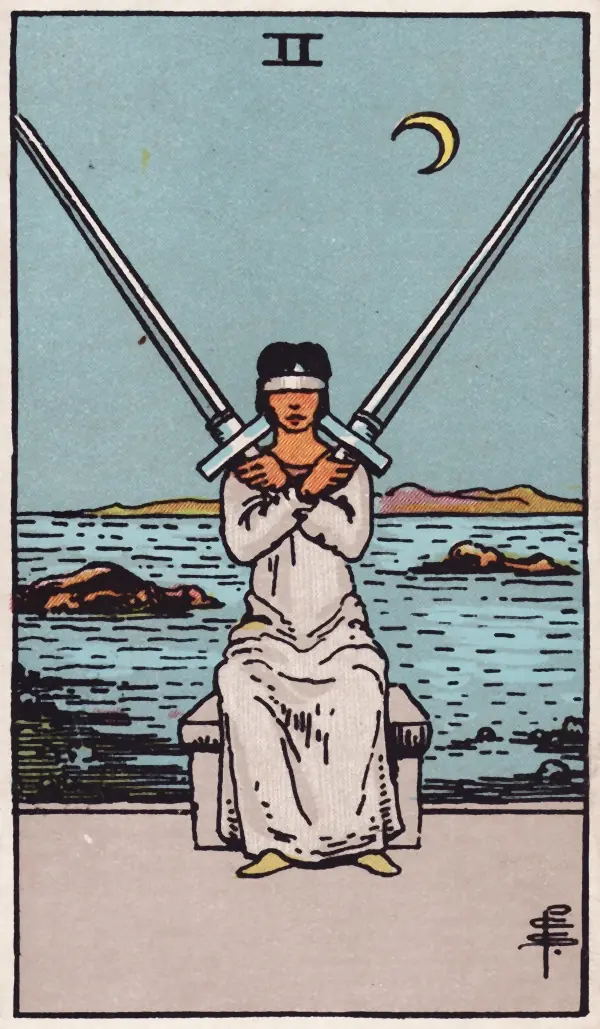
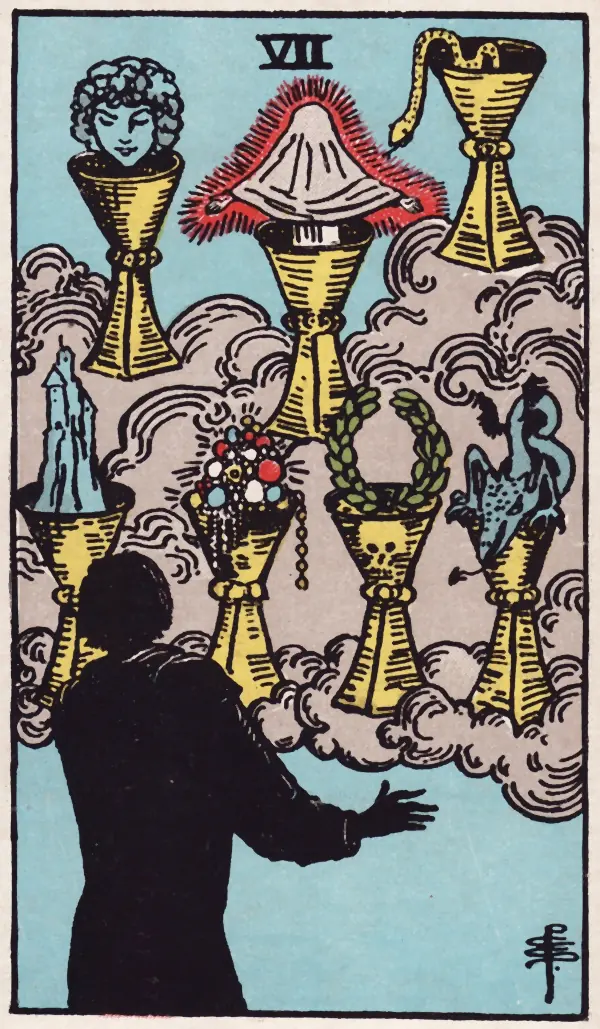
Some cards tend to show up when a self-reading is getting tangled. The Seven of Cups can point to wishful thinking, too many options and not enough clarity. The Two of Swords often means you're avoiding a decision you already know you have to make. And when you need to stop asking and listen, The High Priestess and The Hermit tend to appear.
Can you practise without fooling yourself?
Yes, and this is the easiest way to get good at it. Practise on a spread where the meanings are laid out beside each card, so you can check your reading against them instead of your hopes.
At the Tarophia Academy you can practise the Celtic Cross for free, with no account. The cards are laid out for you, and each one shows what its position asks and what the card means there. When you've turned all ten, you can ask the oracle to review your reading. It shows you how the positions work together and what you may have missed.
Frequently asked questions
Is it bad luck to read tarot for yourself?
No. That's a superstition, not a rule. Most readers learn by reading for themselves every day.
How often should I read for myself?
A one-card daily draw is a good habit. For a bigger question, one spread is enough. Asking the same question again and again usually means you're looking for a different answer, not a clearer one.
What if I don't understand a card?
Look at the picture first, then read its meaning in that position. Every card in the library has its meaning upright and reversed, in love, at work and in each Celtic Cross position.
Should I use reversed cards when reading for myself?
You can leave them out at first. Learn the 78 cards upright, then add reversals once the cards feel familiar.
Try it now
Write down one open question, then start a free practice and read the cards yourself. If you'd rather have the whole spread read for you, start a Celtic Cross with the oracle.